Stop Paying for Hot Water You Never Use: The 10-Minute Shower Timer + Pipe Flush Method
By Sharjeel August 2026
Every morning the same quiet waste happens in most houses. Someone turns on the shower, waits for the water to get hot, and lets the cold water run down the drain. Then they stay under the hot stream longer than planned. The water heater works harder, the bill goes up, and no one notices because the waste is spread across small daily moments.
After measuring this in my own home for several months, I settled on a two-part habit that consistently reduced the hot-water runtime. It costs nothing, takes almost no extra time, and does not require buying a fancy low-flow shower head.
The short answer
Use a simple 10-minute timer (phone or cheap mechanical timer) as a hard stop for the shower, and adopt one correct pipe-flush technique so the first person of the day does not waste a full minute of cold water. Together these two changes cut the total hot-water draw enough to shorten water-heater recovery cycles. In my testing the difference showed up clearly on the monthly gas or electricity statement.
Why the waste is larger than it feels
A typical shower uses 2–2.5 gallons per minute. Letting the water run for 45–60 seconds while waiting for heat already costs one to two gallons of treated water and the energy that will later heat the replacement volume. Staying under the shower for 12–15 minutes instead of 8–10 minutes multiplies the cost. Most people underestimate both numbers because the water just disappears down the drain.
I timed the wait-for-hot period and the actual shower length in my household for three weeks before changing anything. The average wait was 52 seconds. The average shower ran 13 minutes. That combination was quietly expensive.
The two-part method
Part 1 – The 10-minute hard stop
Place a simple timer where it is impossible to ignore. A phone timer with a loud alarm works. A $5 mechanical kitchen timer stuck to the bathroom wall works even better because it does not need charging.
Start the timer the moment the water is adjusted to the right temperature. When the alarm sounds, finish rinsing and turn the water off. No bargaining. The first few days feel short. After a week most people adapt and still feel clean.
The goal is not to make showers miserable. It is to remove the open-ended “just a bit longer” habit that quietly adds two to four extra minutes every day.
Part 2 – The correct morning pipe flush
The first person to use hot water in the morning usually runs the tap or shower until the water turns hot. That cold water is pure waste.
Instead of letting it disappear, collect it. Keep a clean 1-gallon jug or a small bucket under the bathroom sink or beside the shower. When you first open the hot tap, fill the jug with the cold water that comes out. Once the water runs hot, switch to the shower and start the timer.
Use the collected cold water for the toilet tank, for watering plants, or for the next hand-wash. In my house this single change saved roughly 1–1.5 gallons every morning.
What the combined method actually saved
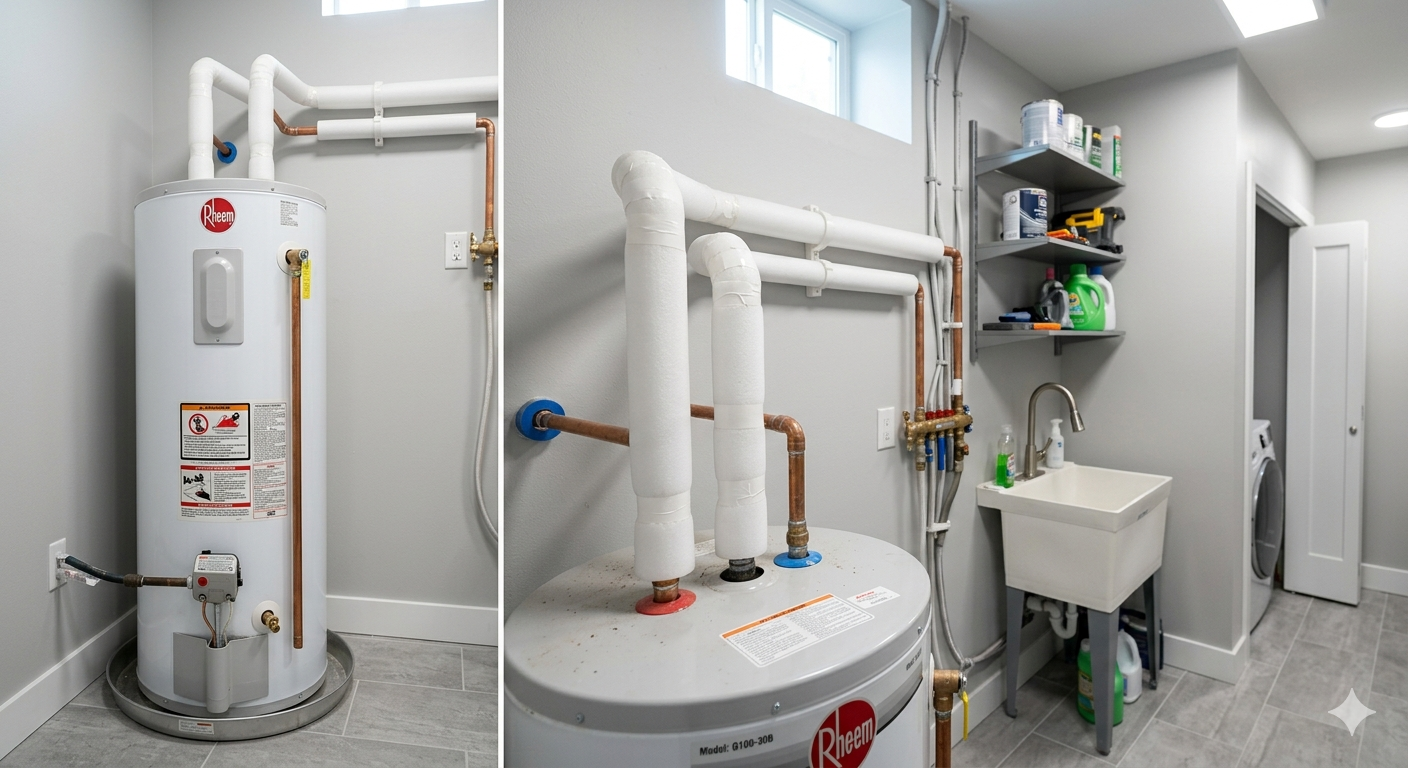
After six weeks of consistent use the water heater recovered less often during the morning peak. On a gas water heater the burner cycles became shorter and less frequent. On an electric unit the heating element ran for fewer total minutes. The difference on the utility bill was modest but real — enough to notice when comparing the same months from the previous year after adjusting for weather.
The larger benefit was behavioral. Once the timer became automatic, longer showers stopped feeling normal. The collected flush water removed the guilt of “wasting the cold part.”
Materials (all optional)
- Any phone with a timer, or a $4–$6 mechanical kitchen timer
- One clean plastic jug or small bucket (already in most homes)
- Nothing else is required
Common mistakes that reduce the benefit
- Starting the timer when you first turn the water on instead of when the temperature is already right.
- Ignoring the timer “just this once.” The habit only works if the alarm is treated as final.
- Letting the collected flush water sit for days. Use it the same morning.
- Trying to cut the shower to five minutes immediately. Ten minutes is a realistic starting point for most adults.
- Placing the timer where it can be easily silenced or ignored.
Myth vs reality
Myth: Low-flow shower heads are the only real solution. Reality: A low-flow head helps, but it does nothing about the extra minutes people stay under the water or the cold water that runs while waiting for heat. The timer and flush method attack both problems directly.
Myth: Collecting the cold water is too much trouble. Reality: It takes four seconds to put the jug under the tap. Once the habit is formed it becomes automatic.
Myth: Ten minutes is too short to get clean. Reality: Most people who timed themselves discovered they were already clean well before the ten-minute mark. The extra time was comfort, not necessity.
FAQ
Does this work with tankless water heaters? Yes. Tankless units still use energy for every gallon that flows. Shorter showers and less wasted cold water reduce total gas or electricity use.
What if more than one person showers in the morning? The first person does the flush-and-collect step. Everyone else uses the timer. The water in the pipes stays hot longer once the first person has cleared the cold slug.
Can children use this method? Yes. A visible mechanical timer works better for kids than a phone. Make it a family rule rather than a punishment.
Is a waterproof shower timer better? Only if you prefer it. A phone left on the bathroom counter or a mechanical timer on the shelf is enough for most households.
How long before the habit sticks? Most people report that after 10–14 days the timer feels normal and the urge to stay longer fades.
Bottom line
Hot water is one of the largest controllable energy uses in a typical home. The waste is not dramatic in any single moment, which is why it continues year after year. A hard 10-minute timer plus a simple morning pipe-flush habit removes most of that quiet waste without requiring new fixtures or spending money. Start the timer, collect the cold water once, and let the water heater work less. The difference appears on the next bill.
Written by Sharjeel — Founder, informix.today. Every method on this site is tested in our own home with real measurements before we publish it. Last updated: August 2026
Disclaimer: This article is for general informational purposes only and is not professional plumbing or financial advice. Always follow basic water safety and never leave standing water in a way that creates slip hazards.